The short version
- Mold is a moisture problem first. EPA: “The key to mold control is moisture control.” If you don’t fix the water source, mold comes back.
- Small areas are often a DIY job. EPA says a homeowner can often handle an area of less than about 10 square feet, but that’s a size guide, not a guarantee that cleanup is safe. CDC advises that people with allergies, asthma, COPD or other chronic lung disease, or a weakened immune system shouldn’t do mold cleanup themselves.
- Call a professional for larger areas, or when sewage or other contaminated water caused the damage.
- Testing usually isn’t needed when you can see mold, according to EPA.
- One national estimate: Angi reports a typical range of $1,223 to $3,749 for professional mold remediation.
This guide is about cleaning up mold in a home. It doesn’t give medical advice. If you have health concerns, EPA advises talking with a health professional before you start cleanup.
Why mold grows
Mold needs moisture. Common causes are leaks, flooding, condensation on cold surfaces, and high indoor humidity. EPA’s guidance comes down to a few habits:
- Fix the water problem. Repair leaks and the source of moisture before or while you clean, or the mold will return.
- Dry wet areas fast. EPA recommends drying water-damaged areas and items within 24–48 hours to prevent mold growth.
- Keep humidity down. EPA recommends indoor humidity below 60%, ideally between 30 and 50%. An inexpensive humidity gauge (hygrometer) shows where you are.
Cleanup vs. remediation: what’s the difference?
People use these words loosely. In this guide:
- Cleanup means you clean a small, limited area yourself.
- Remediation means a professional job for larger or more complicated problems. It usually covers finding the moisture source, protecting the rest of the home while work happens, removing and cleaning affected materials, and confirming the area is clean and dry.
If you clean a small area yourself
EPA’s tips for cleanup:
- Scrub mold off hard surfaces with detergent and water, and dry completely.
- Absorbent or porous materials, such as ceiling tiles and carpet, may have to be thrown away if they become moldy.
- Don’t paint or caulk over moldy surfaces.
- Don’t touch mold with bare hands. Wear at least an N95 respirator, non-latex gloves (vinyl, nitrile or rubber) and goggles that fully protect your eyes (CDC, EPA).
When to get a professional assessment
EPA’s “about 10 square feet” figure is a rule of thumb about size, not a guarantee that a small cleanup is safe. Contaminated water, mold in your heating and cooling system, hidden mold, or vulnerable people in the home can call for professional help regardless of size (EPA, CDC).
Consider professional help when:
- the moldy area is larger than about 10 square feet (EPA points to its guidance for schools and commercial buildings for larger jobs);
- the problem followed sewage or flood water, or significant water damage;
- mold may be inside walls, ductwork or the HVAC system;
- you suspect hidden mold, for example, your home smells moldy but you can’t see the source. EPA says that if you believe you may have a hidden mold problem, “consider hiring an experienced professional”;
- it keeps coming back and you can’t find the moisture source;
- you or someone in the home has health concerns, or the person who would do the cleanup has allergies, asthma or another chronic lung condition, or a weakened immune system (CDC).
Do you need mold testing?
Often, no. EPA says that “in most cases, if visible mold growth is present, sampling is unnecessary,” and that sampling can’t be used to check a building against federal mold standards. EPA notes that surface sampling may be useful to check whether an area has been adequately cleaned or remediated. If someone recommends testing, ask what question the test will answer and how the result will change the plan.
What affects the cost of mold remediation
| Factor | Why it changes the price |
|---|---|
| Size of the affected area | More square footage means more labor, protection and material removal. |
| Location | Attics, crawl spaces, behind walls and inside ductwork are harder to reach than an open wall or ceiling. |
| Materials affected | Hard surfaces can often be cleaned. Porous materials like drywall, carpet and ceiling tiles may need to come out and be replaced. |
| The moisture source | Fixing the leak, drainage or humidity problem is essential, and may be a separate job and a separate bill (for example, a plumber or roofer). |
| Water damage behind it | If the mold followed a flood or leak, drying and repairs add cost. See our water damage restoration cost guide. |
| Testing and rebuild | Testing (often unnecessary, per EPA) and putting back drywall, flooring or paint may or may not be in the quote. |
Published price ranges
These are national estimates from one home-services marketplace, Angi (page updated November 28, 2023). They’re not PocketWiseLab research or a quote, and they may not reflect today’s prices in your area.
| Measure (Angi) | Estimate |
|---|---|
| Typical range | $1,223 to $3,749 |
| National average | $2,364 |
| Per square foot | $10 to $25 |
Small areas you clean yourself may cost little more than cleaning supplies and protective gear, but only when the job is within EPA’s guidelines above.
Compare quotes carefully. Ask each company what’s included: protecting the rest of the home, removal, cleaning, disposal, any testing, fixing the moisture source, and repairs.
Questions to ask a mold remediation company
- How much experience do you have cleaning up mold, and can you give references? (EPA advises making sure the contractor has experience.)
- Will you follow EPA guidance or other professional guidelines? Which ones?
- What’s causing the moisture, and is fixing it part of your quote?
- How will you keep mold from spreading to the rest of the house during the work?
- Which materials will you remove, and which will you clean?
- Do you recommend testing? If so, why, what will it tell us, and who does it?
- Is the quote written and itemized, and does it include repairs?
- What licenses and insurance do you carry? Requirements vary by state, so check yours.
How to prevent mold from coming back
- Fix leaks promptly, including roof, plumbing and window leaks.
- Dry spills and wet areas within 24–48 hours (EPA).
- Keep humidity below 60% (ideally 30 to 50%), using air conditioners or dehumidifiers when needed (EPA).
- Reduce condensation on cold surfaces, for example by covering cold water pipes with insulation (EPA).
- Vent moisture outside: vent clothes dryers to the outside where possible, and use exhaust fans or open windows when cooking or running the dishwasher (EPA).
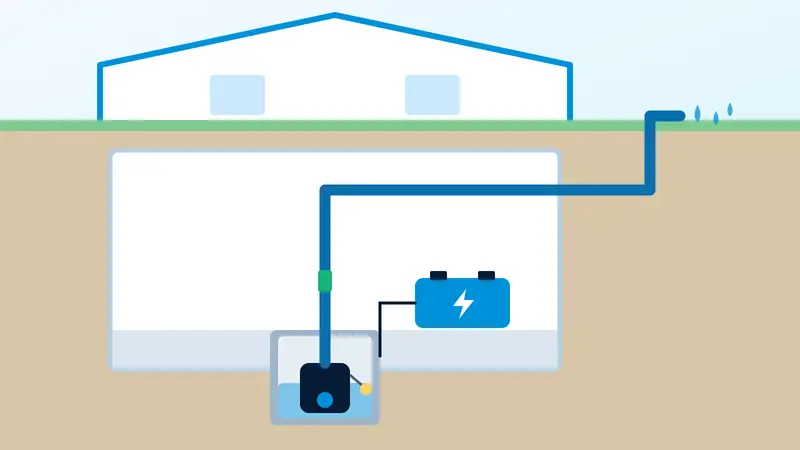
- Keep basements dry. A working sump pump helps in homes that have one; see our sump pump installation cost guide.
- Plan for maintenance costs with our Home Maintenance Budget Calculator.
Sources and further reading
- U.S. Environmental Protection Agency — Mold Cleanup in Your Home (page updated June 4, 2026)
- U.S. Environmental Protection Agency — A Brief Guide to Mold, Moisture, and Your Home (EPA 402-K-02-003)
- U.S. Environmental Protection Agency — Flood Cleanup: Protecting Indoor Air Quality (EPA 402-F-18001, revised October 2018)
- Angi — mold remediation cost guide (updated November 28, 2023)
- Centers for Disease Control and Prevention — Mold Clean Up Guidelines and Recommendations
All sources above were last checked on November 23, 2026. Prices change and vary by location; get written quotes for your own job.
Editorial note: Price figures are third-party national estimates, not quotes or PocketWiseLab research. This guide is general information about cleaning up mold in a home. It is not medical advice and doesn’t diagnose health conditions. If you have health concerns, talk with a health professional.
This guide is general information, not financial, tax, legal, insurance, or engineering advice. Prices, rates, and programs vary by location and change over time — confirm details with your provider or a qualified professional.