The short version
- Safety comes before cleanup. If you smell gas, leave immediately and call for help from outside. Don’t touch electrical equipment while standing in water.
- Cost depends on the kind of water, how much area got wet, how long it sat, and what has to be torn out and rebuilt.
- One national estimate: Angi reports a typical range of $1,361 to $6,282, but your quote can be very different.
- Speed matters. EPA says wet materials that can’t be thoroughly cleaned and dried within 24–48 hours should generally be thrown away.
- Check your policy. FEMA notes that most homeowners insurance does not cover flood damage.
Safety first: before anyone starts cleaning up
If the water is still coming in, the first job is to stop it, for example by shutting off the water supply to a leaking fixture or the main shutoff valve, as long as you can do that safely.
What water damage restoration usually involves
Restoration companies differ, but most jobs follow the same broad sequence. Knowing it helps you read a quote:
- Inspection and assessment: finding the source, how far the water spread, and what kind of water it is.
- Water removal: pumping or extracting standing water.
- Drying: fans and dehumidifiers dry the structure. EPA calls completely drying your home and removing water-damaged items “critical tasks” in flood cleanup.
- Removing what can’t be saved: EPA says materials that soak up a lot of water, such as drywall, carpets and ceiling tiles, should be thrown away. Materials that don’t soak up water, such as metal, glass and hard plastic, can usually be cleaned and dried.
- Cleaning: cleaning the affected areas and contents.
- Repairs: replacing drywall, flooring, trim and paint. Some companies do this themselves; others hand it to a separate contractor, which may be a separate bill.
What affects the cost
| Factor | Why it changes the price |
|---|---|
| Type of water | Clean water from a sanitary source is the simplest to deal with. Water that may carry contamination, or sewage, needs more protection and more material removal, and typically costs more per square foot (see the price table below). |
| How long it sat | The longer materials stay wet, the more likely they must be removed, and the greater the risk of mold. The industry’s IICRC water categories recognize that water can get worse over time. |
| Area and depth | More wet square footage, more rooms or more floors means more equipment, time and material. |
| What got wet | Hard surfaces may only need drying and cleaning. Drywall, carpet, padding, insulation and ceiling tiles that soaked up water usually come out. |
| Hidden water | Water inside walls, under floors or above ceilings takes more work to find and dry. |
| Rebuild scope | Replacing flooring, cabinets or drywall can cost more than the drying itself, so check whether a quote includes repairs. |
| Mold | If mold has started to grow, cleanup can add cost. See our mold remediation cost guide. |
The three water categories, in plain language
A widely used industry standard from the IICRC (the Institute of Inspection, Cleaning and Restoration Certification) sorts water into three categories, as summarized in a restoration trade magazine:
- Category 1: water from a sanitary source.
- Category 2: water with significant contamination.
- Category 3: grossly contaminated water, such as sewage or rising floodwater from rivers or the sea.
You don’t need to classify the water yourself. Ask the company which category it believes applies and why, because the answer affects both the work and the price.
Published price ranges
These are national estimates from one home-services marketplace, Angi, which says it based them on its own customer data and other sources. They aren’t PocketWiseLab research or a quote. Prices in your area, and for your job, can be much higher or lower.
| Measure (Angi, labeled “2025 data”) | Estimate |
|---|---|
| Typical range | $1,361 to $6,282 |
| National average | $3,822 |
| Low and high extremes reported | $450 to $16,000 |
| Per square foot | $3 to $7.50 |
| Clean water | about $3.50 per sq ft |
| Gray water | about $5.25 per sq ft |
| Black water | about $7.50 per sq ft |
How to use these numbers: treat them as a reality check, not a budget. Get at least two written, itemized quotes, and compare what each one includes (drying, removal, cleaning and repairs).
Insurance: what to check, without guessing
We can’t tell you whether a loss is covered. That depends on your policy and on what caused the water. A few things are worth knowing:
- Flood is different. FEMA’s National Flood Insurance Program states that “most homeowners insurance does not cover flood damage.” Check whether you have a separate flood policy.
- Read your policy and call your insurer or agent early. Ask what is and isn’t covered, whether there’s a deductible, and what documentation they need.
- Ask before you throw things away. If you may file a claim, ask your insurer whether they want to see or photograph damaged materials first, but don’t let that delay safety steps or drying.
- A contractor can’t approve your claim. Only your insurer decides coverage, even if a restoration company offers to talk with them for you.
When to call a professional
EPA notes that flood cleanup “may be too difficult or dangerous” for some homeowners, and that it may be best to get help from experienced, qualified professionals. That’s especially true when:
- the water came from sewage or floodwater;
- the wet area is large, or water got into walls, under floors or into ceilings;
- the electrical system or the structure may be damaged (call an electrician or have a building inspector check first);
- you can’t get things dry within 24–48 hours;
- there’s mold covering more than about 10 square feet, or you suspect your heating and cooling system is contaminated (see the mold guide).
Questions to ask before you hire
- Can you give me a written, itemized estimate? Which steps are included: water removal, drying, removing materials, cleaning, and repairs?
- Which water category do you think this is, and why?
- How will you decide what to remove, and how will you confirm everything is dry before repairs start?
- Do you do the repairs yourselves, or will I need another contractor?
- How much experience do you have with this kind of job, and can you give references?
- What licenses and insurance do you carry? Check your state and local requirements yourself, because they vary.
- Will you communicate with my insurer, and what happens if the insurer doesn’t cover part of the work?
Be cautious about anyone who pressures you to sign immediately or asks you to sign over insurance payments before you understand the terms.
How to lower the risk next time
- Fix small leaks quickly and know where your main water shutoff valve is.
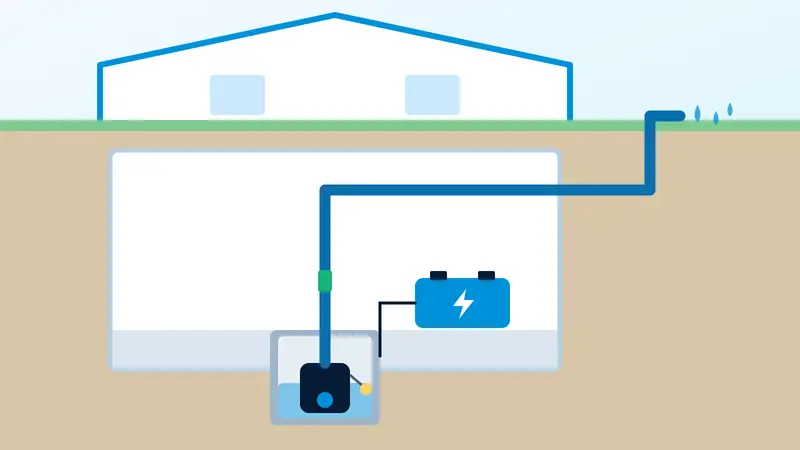
- Protect your basement. If your home has a sump pump, test it and consider a backup; see our sump pump installation cost guide.
- Control humidity. EPA recommends keeping indoor humidity below 60%, ideally 30 to 50%.
- Budget for maintenance. Our Home Maintenance Budget Calculator helps you set money aside each month for repairs like these.
Sources and further reading
- Centers for Disease Control and Prevention — Reentering your flooded home safely (page last reviewed August 24, 2026)
- U.S. Environmental Protection Agency — Flood Cleanup: Protecting Indoor Air Quality (EPA 402-F-18001, revised October 2018)
- U.S. Environmental Protection Agency — A Brief Guide to Mold, Moisture, and Your Home (EPA 402-K-02-003)
- FEMA National Flood Insurance Program — “Most homeowners insurance does not cover flood damage”
- R&R Magazine — The Standards of Our Time: Applying IICRC Categories of Water to a Job Situation (Larry Cooper, March 1, 2007)
- Angi — water damage repair and restoration cost guide (price estimates labeled “2025 data”)
- Pipeline and Hazardous Materials Safety Administration — Pipeline leak recognition and what to do
- Public Service Commission of Wisconsin — Natural Gas Consumer Safety
- Centers for Disease Control and Prevention — Carbon Monoxide Poisoning Basics
All sources above were last checked on November 23, 2026. Prices change and vary by location; get written quotes for your own job.
Editorial note: Price figures are third-party national estimates, not quotes or PocketWiseLab research. This guide is general information, not professional, insurance or safety-engineering advice. When safety is in doubt, contact a qualified professional or emergency services.
This guide is general information, not financial, tax, legal, insurance, or engineering advice. Prices, rates, and programs vary by location and change over time — confirm details with your provider or a qualified professional.